
Australia has one of the world's most developed coffee cultures. From high-volume metropolitan cafés to increasingly sophisticated home espresso setups, expectations around quality, consistency and equipment continue to rise.
Australian coffee drinkers are also becoming more knowledgeable. They understand grinders, brew ratios, distribution and extraction time — and they expect the espresso they prepare at home to reflect the standards established by their favourite local café. Industry reporting has identified this relationship between better home coffee and higher café expectations as an important part of Australia's evolving coffee culture.
Within this environment, a bottomless portafilter is much more than a visually impressive accessory. It is a practical diagnostic tool that allows baristas to observe an extraction, identify problems and improve the way each coffee puck is prepared.
What is a bottomless portafilter?
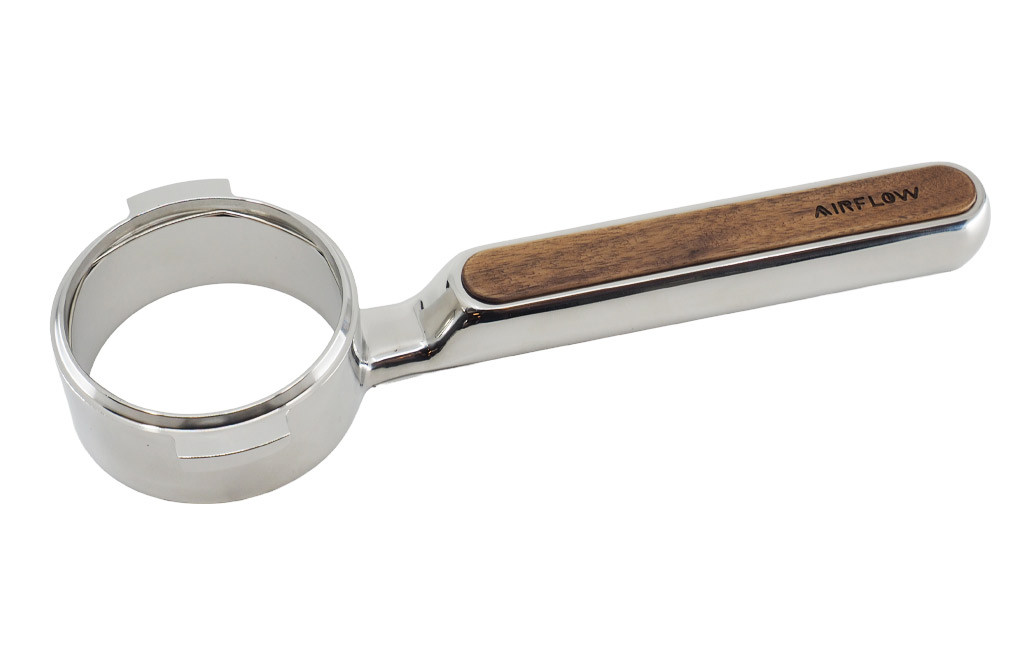
A bottomless portafilter — often called a naked portafilter or bottomless group handle in Australia — is a portafilter with the lower section and spouts removed.
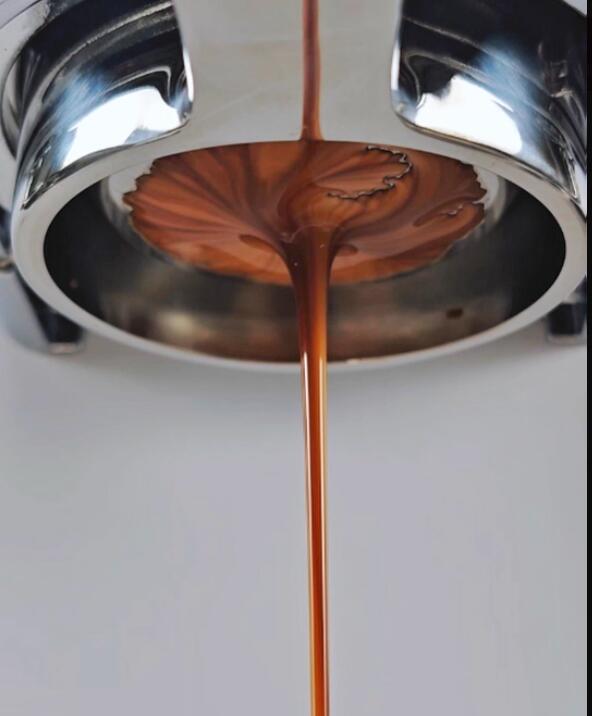
Instead of travelling through one or two enclosed spouts, the espresso flows directly from the underside of the filter basket into the cup. This gives the barista an unrestricted view of the entire extraction.
When the coffee puck has been prepared evenly, espresso will generally begin forming across the basket before drawing together into a smooth, central stream. When something has gone wrong, a bottomless portafilter makes it immediately visible.
That direct visual feedback is the main reason bottomless portafilters are commonly used for training, recipe development and improving consistency.
Why bottomless portafilters suit the Australian coffee industry
Australian cafés operate in a highly competitive market. Customers have strong expectations around flavour, presentation and consistency, whether they are ordering a flat white, long black or straight espresso.
During a busy morning service, small inconsistencies can quickly become noticeable. A slightly uneven distribution, an angled tamp or an incorrect grind setting can affect multiple shots before the problem is identified. A bottomless portafilter makes these problems easier to recognise.
For café owners and trainers, it can help demonstrate correct puck preparation to new baristas. For experienced baristas, it provides a quick way to assess a grinder adjustment, test a new coffee or identify inconsistencies between workstations.
It can also help reduce unnecessary coffee waste. Rather than repeatedly adjusting several variables without knowing what is causing the problem, the barista can observe the extraction and make a more informed change. Australia's coffee industry is increasingly focused on measurable consistency, efficient workflows and reducing waste — with better-designed equipment supporting the barista rather than replacing their skill.
What can a bottomless portafilter show you?
Channeling
Channeling occurs when pressurised water finds an easier path through one part of the coffee puck. Instead of travelling evenly through the entire bed of coffee, the water concentrates in weaker areas. This can create spraying, multiple thin streams or sections of the basket that begin flowing much earlier than others.
Channeling may result from uneven distribution, clumped grounds, an angled tamp, an unsuitable grind setting or an incorrect dose.
Uneven distribution
If espresso begins flowing heavily from one side of the basket, the coffee may not have been distributed evenly before tamping. This is particularly common when grounds fall into the basket in a mound or when the grinder produces noticeable clumping. A dosing funnel and WDT tool can help distribute the coffee more consistently before tamping.
An angled coffee bed
Even a small tilt in the tamp can create an uneven coffee bed. Water may favour the lower or less compacted side, producing an unbalanced extraction. Because a spouted portafilter conceals the underside of the basket, this issue can be difficult to recognise. A bottomless design makes it much easier to see.
An incorrect grind setting
If espresso flows quickly and becomes pale almost immediately, the grind may be too coarse, the dose may be too low or the coffee may not have been distributed effectively. If the machine struggles to produce any flow, the grind may be too fine, the dose may be too high or the basket may be overfilled.
A bottomless portafilter does not replace scales, timing or tasting, but it adds another useful layer of information.
A valuable tool for home espresso
The Australian home espresso market has become increasingly advanced. More people are investing in capable machines, precision grinders, accurate scales and café-style accessories rather than relying solely on automatic or pod-based systems.
Home drinkers are also taking greater interest in locally roasted coffee and learning how grind size, dose, yield and extraction time influence flavour. Australian industry research describes this as a continuing learning journey: better home equipment encourages people to understand their beans, recipes and brewing technique in greater detail.
A bottomless portafilter is especially useful during this learning process because it connects puck preparation with a visible result. You can change one variable — such as the grind, distribution method or tamp — and immediately observe how that change affects the extraction. Over time, this helps develop a more repeatable workflow rather than relying on guesswork.
The benefits of going bottomless
Immediate visual feedback
You can see channeling, spraying and uneven flow as they happen instead of trying to diagnose the problem from taste alone.
Better training
A bottomless portafilter clearly demonstrates the relationship between preparation and extraction, making it valuable for both professional barista training and home learning.
More cup clearance
Removing the spouts creates additional room beneath the group head, which can make it easier to use taller cups or place a scale beneath the extraction.
Easier cleaning
With fewer enclosed surfaces beneath the basket, the portafilter is generally easier to inspect and clean after use.
A more engaging workflow
Watching a well-prepared extraction form across the basket is one of the most satisfying parts of making espresso. It turns the process into something you can observe, understand and continually refine.
What a bottomless portafilter cannot do
A bottomless portafilter will not automatically improve your coffee. It does not correct an unsuitable grinder, stale coffee, poor water quality or an inconsistent recipe. Instead, it reveals the results of the decisions made before the portafilter is locked into the machine.
It can also be less forgiving than a spouted model. During the early stages of learning, channeling may cause espresso to spray onto the machine, bench or surrounding equipment. This is not necessarily a problem with the portafilter. It is feedback that the coffee puck needs further attention.
For the best results, pair a bottomless portafilter with:
- A capable burr grinder
- Freshly roasted coffee
- An appropriate filter basket
- Accurate coffee scales
- A dosing funnel
- A WDT or distribution tool
- A well-fitting tamper
- A consistent espresso recipe
How to use a bottomless portafilter
Begin with the same methodical approach used in a professional café.
- 01
Warm the equipment
Allow the espresso machine, group head and portafilter to reach a stable operating temperature. A cold portafilter can draw heat away from the extraction.
- 02
Use a clean, dry basket
Moisture inside the basket can cause grounds to stick unevenly and make distribution more difficult.
- 03
Measure the dose
Weigh the ground coffee rather than filling the basket by eye. Use a dose suited to the size and design of your filter basket.
- 04
Distribute carefully
Break up clumps and spread the grounds evenly across the basket. A WDT tool is particularly useful when working with fine espresso grinds.
- 05
Tamp level
Apply firm, controlled pressure while keeping the tamper parallel with the basket. Consistency and level placement are generally more important than applying excessive force.
- 06
Observe the extraction
Watch where the first drops appear, how quickly the basket begins flowing and whether the streams combine evenly.
- 07
Adjust one variable at a time
When the extraction is not behaving as expected, avoid changing the grind, dose and tamping method simultaneously. Make one controlled adjustment, repeat the shot and compare the result.
Introducing the Airflow Flat Mirror Portafilter
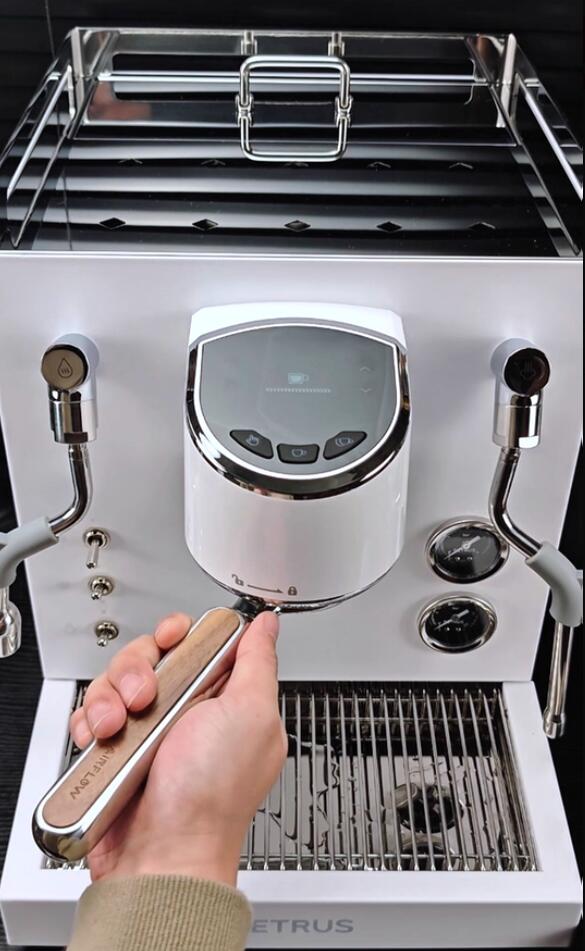
The Airflow E61 Uni-Body Flat Mirror Portafilter takes the diagnostic benefits of a bottomless design and addresses another common issue in espresso preparation: stability during tamping.
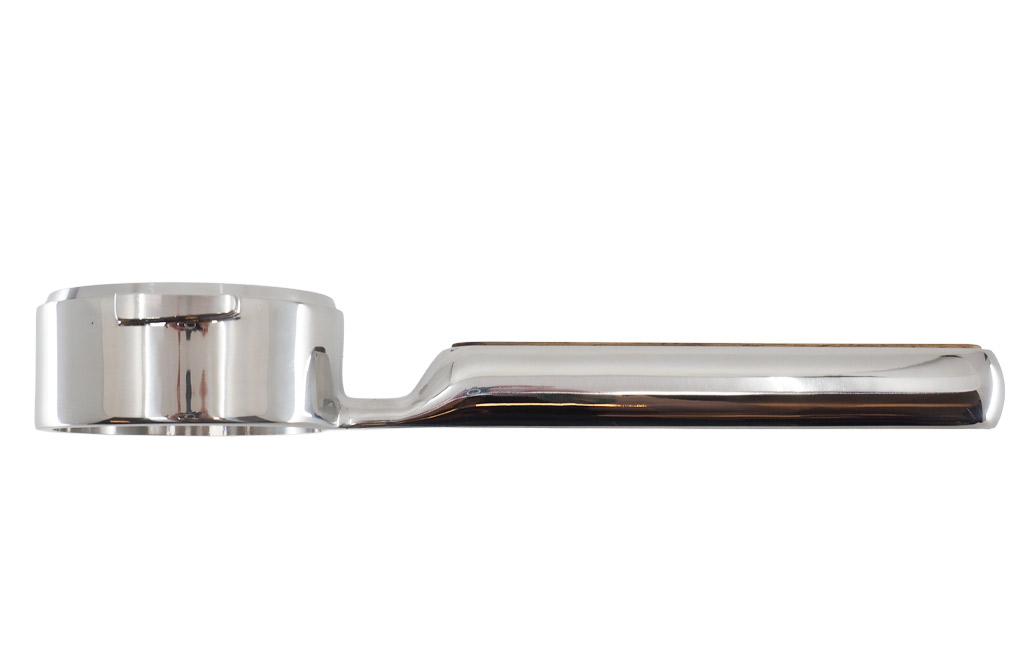
Many traditional portafilter handles are rounded underneath. When placed directly on a bench or tamping mat, the handle may roll, tilt or require the barista to hold it steady with one hand.
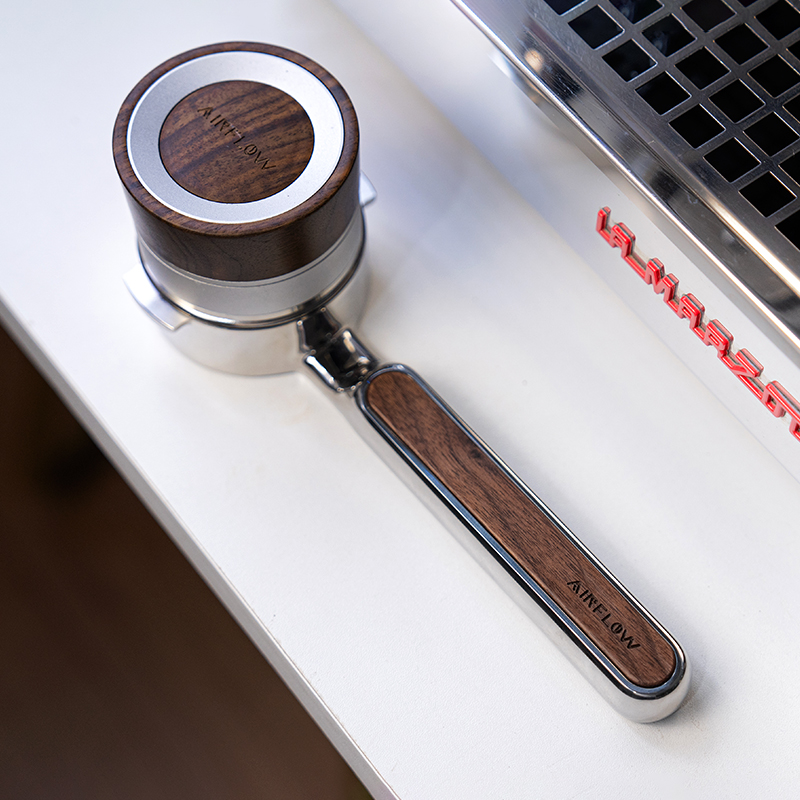
Airflow's Flat Mirror design uses a completely flat underside, allowing the portafilter to sit level on the bench. This creates a more stable preparation surface and helps the barista position the tamper vertically over the basket.
Why a stable tamping platform matters
A level tamp begins with a stable portafilter. When the group handle rocks or moves during tamping, the coffee bed can become slightly uneven. That difference may be difficult to see from above, but it can influence how water moves through the puck under pressure.
The flat-base design reduces unwanted movement and allows the barista to focus on distribution, alignment and controlled tamping pressure. For home users, it removes the need to balance the portafilter against the edge of the bench or purchase a separate tamping stand. In a commercial environment, it supports a simpler and more repeatable workflow across multiple baristas.
Materials designed for everyday use
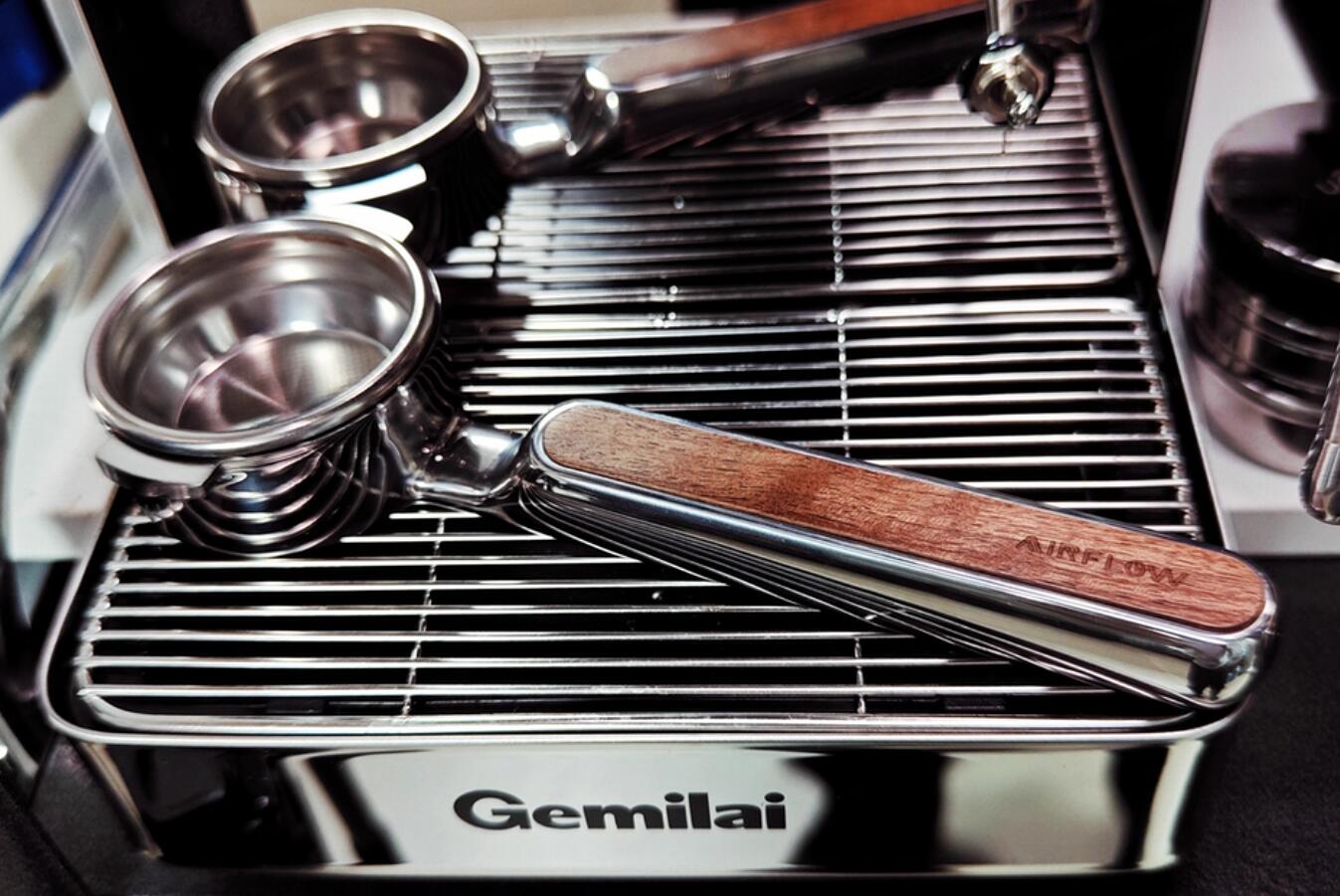
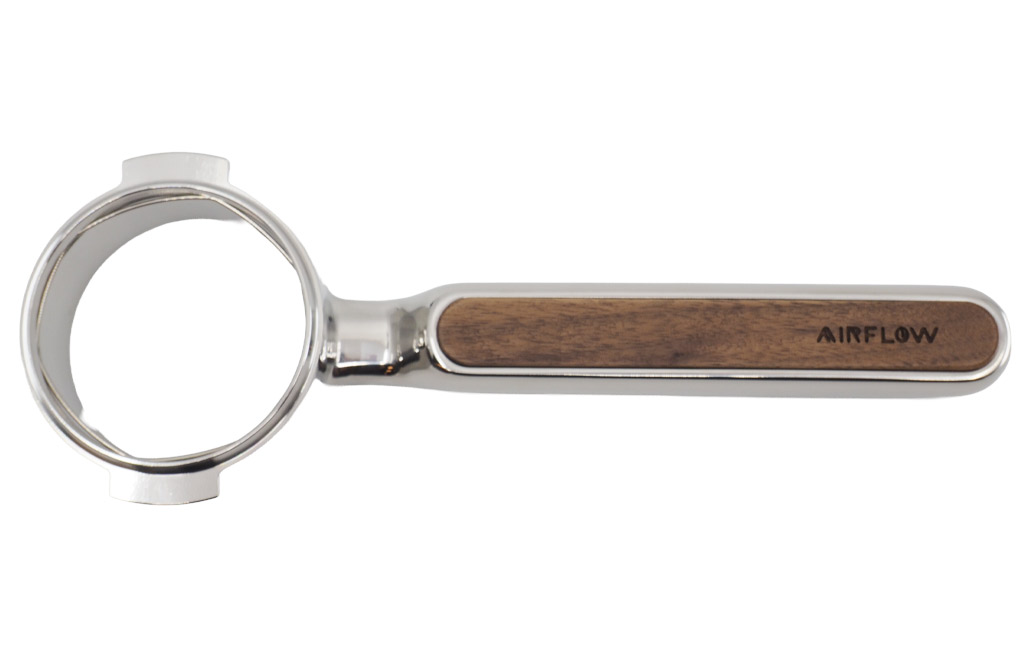
The Airflow Flat Mirror Portafilter combines precision-machined 304 stainless steel with a North American black walnut handle.
The stainless-steel construction provides a durable, substantial feel suited to repeated espresso preparation, while the natural timber introduces warmth and character to the design. The flat walnut handle is shaped to provide both a comfortable grip and a stable base during preparation.
The result is a tool that reflects a growing preference within Australian coffee culture: equipment that performs reliably while also contributing to the appearance and experience of the coffee setup.
Check compatibility before ordering
Portafilters are not universally interchangeable, even when two machines use the same basket diameter. The number, thickness and position of the locking tabs can vary between manufacturers and group-head designs. La Marzocco, E61, Breville, Gaggia and commercial machine configurations may require different portafilter heads.
The Airflow Flat Mirror is offered in an E61 configuration through Coffee Parts. Always confirm your espresso machine model and group-head compatibility before purchasing.
Better espresso begins with better feedback
Australia's coffee culture has been built around quality, curiosity and continual improvement. The bottomless portafilter fits naturally into that culture because it gives baristas and home users a clearer understanding of what is happening during every extraction.
It will show your best shots, but it will also reveal the imperfect ones. That honesty is precisely what makes it so valuable.
By combining unrestricted visual feedback with a stable, flat tamping platform, the Airflow Flat Mirror Portafilter brings together practical problem-solving, premium materials and considered design.
Whether you are training a café team, refining a new espresso recipe or improving your morning coffee at home, it provides the feedback needed to make every adjustment more purposeful.
Stop guessing. Start observing. Build a more consistent espresso workflow with Airflow.